 Mission Zero
Those of you who were fortunate enough to get ahold of the first release of the Macanudo Estate Reserve Flint Knoll know how truly special that blend was, and why we were lucky to score a few boxes. Wine barrel-aged cigars are about as rare as it comes, so when we found out that it was impossible to restock this blend, a collective sigh could be heard at Klaro HQ.
But thanks to back-to-back releases from Macanudo, there was never a gap in supply, for the Estate Reserve Flint Knoll No. 2 slid right in where the first release left off. These cigars are near identical save for the vintage of the wine barrels used to age the blend's binder, with the Churchill vitola being the same length and ring-gauge.
Like the other blends in Macanudo and Flint Knoll's collaborative project (there were three releases all told), this No. 2 version consists of a Connecticut Shade seed wrapper from Ecuador, a wine cask-conditioned Broadleaf binder, and then a four-country collective for the long-filler starting line-up. These strains include Mata Fina leaf from Brazil, Piloto Cubano and Olor from the Dominican Republic, and a pinch of Nicaraguan tobacco reportedly from the Jalapa region. For the wine cask aging process, French oak barrels that once held the 2019 harvest of Flint Knoll's Royal Appointment Cabernet Sauvignon were used, which, according to the winery, was a very good year.
It was here that I had to raise an eyebrow, because for as much as I loved the first release, the use of the exact same type of wine barrel and tobacco blend seems like you would be left with the exact same cigar. Surely a one-year difference in vintage and a different growing year couldn't have that much of an impact on a cigar's flavor profile. Who knows, maybe it could? Probably best to put this one to the test, because even if the blend tastes anything like the first release, I am going to be happy.
Unlit Impressions

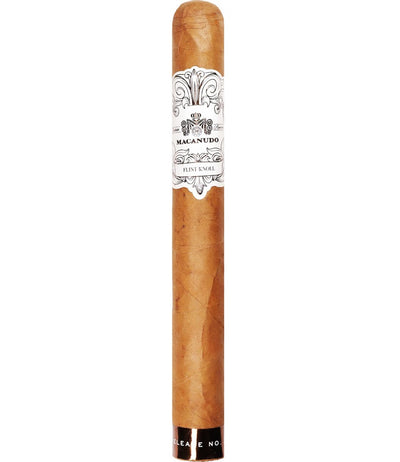
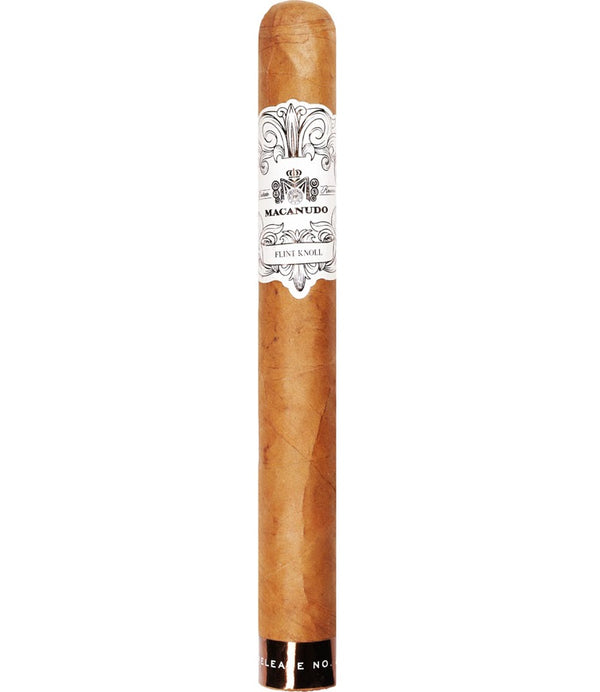
Visually, this cigar looks almost identical to the first release, with the only notable difference being the copy on the foot band, which is still shiny copper in color and quite cheap-looking and feeling to me. The top band is a carryover as well, and is still just as ornate as a wine label can be, which I find to be extremely appealing from a packaging perspective. You're going to want to look at this one closely, guys, because there's a lot of detail everywhere.
The wrapper is this mixture of strawberry blonde Shade-seed colors, with medium amounts of oil adding a slight sheen. There isn't any major mottling, but there are sections that feature some darker discoloration, and seams are clearly visible. Raw pecans and oak are the top smells, with a salt and pepper blend following behind that feeds into a bright toasted nutty note that is drier than sweet.
Extremely refined and complex, the exposed end of the cigar is a whirlpool of oak and cedar, potpourri and vintage books, dry red cooking wine, and rum raisins. Spicy, tart, and most certainly sweet in a pleasing way, each sniff is better than the last.
Tangy and spicy, cold draws take the taste buds closer toward pecan and brown sugar, with notes of cedar and premium wool joining along the way. Still far more dry than sweet, the oak-strong sides of the cigar taste fantastic, and sit politely beside a bed of toasted baking and brewing cereal grains.
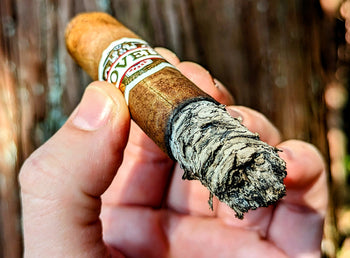
Like the first release, the No. 2 looks nice from far away, but up close it is a bit on the ugly side, with a soft spot in the center of the barrel and creases from the Broadleaf binder causing the wrapper to appear malformed from foot to shoulder. On my review smoke, additional off-camera miscues I discovered included a misshapen foot, and raised lumps near the cap. Certainly not the sort of thing you would expect from a $20 premium cigar.

Digging the Sound of This Cigar? You Might Also Like...
Esteban Carreras "Unforsaken"
Diesel Cigars "Whiskey Row Sherry Cask"
La Aurora "Barrel Aged by Karl Malone"
Initial Smoke

With a wallop of white pepper on the tongue and nose, and a salty rice cracker note following up on the palate, initiation is a zesty affair. These top notes are soon joined by the sweet, tart taste of dark berry preserves, and as they evolve, the finish grows longer, more oak-heavy, and delicious. Retrohales are intensely floral and cedar-backed, and when blended with what is being tasted, overall first impressions are profoundly potent. On a side note, there are these rogue waves of coffee grounds, which definitely don't belong, and thankfully are quarantined to this section of the cigar.
- Wrapper
- Connecticut Shade (Ecuador)
- Binder
- Connecticut Broadleaf
- Filler
- Mata Fina (Brazil), Piloto Cubano & Olor (Dominican Republic) & Nicaragua
- Origin
- Dominican Republic
1st Half

Stronger French oak flavors and dryness, and a powerful floral aromatic cause the first third to come alive with great gusto. Still tangy and dark berry-like, with just a sliver of sweetness, flavors begin to form a fresh array of tasting notes for the tongue to detect. Creamy, Connecticut Shade tastes expand and are supported by stronger tastes of raw pecans and a medium-bodied milkiness.
Much of the cigar's spiciness is now confined to a handful of rye grain, which gradually grows as the white pepper recedes. Those salted rice crackers have returned, and they fit nicely alongside these grainy, spicier tastes. But that French oak is impossible to avoid, and it casts a long shadow over all of the subtler flavors, continuously drying them out. The only area it has little sway over is the retrohale, which continues to be milky, fruity, and flower-bouquet-based. Eventually, this turns into a combusted mixture that reminds me of a floral incense of some sort, and makes for some sensational aromatics.
2nd Half

Teasing the tongue with tastes of vanilla, the wrapper on the cigar works hard to keep the stronger innards of the blend from taking over. To do so, all of those raw pecans get a bit of roasting, and with warm baking spices stirring inside, the taste buds start to salivate. Those fruity, dark berry compote notes are more brazen than before and have become sweeter, allowing sticky tastes and textures to strike the senses every other puff.
By the time you get to the last third, the blend has formed a near-flawless cinnamon-coated graham cracker taste, and to balance this fiery baking spice, the brown sugar has moved toward the front. Retrohales have gotten buttery, and images of raw pie crust come to mind. That floral incense attribute has returned to its freshly cut flower bouquet roots, and continues to keep the strong oak flavors from overloading you with tannins. Hints of grassiness can be found here and there, which normally I would find undesirable, but in this blend it works, so I tally them up as a bonus.
Parting Puffs

Medium in body thanks to the smoke's texture becoming oilier in nature, parting puffs preps you for a delightful closure well ahead of its arrival. Although the cigar certainly is spicier here than in any other area, it is also rounder and sweeter, with those tart berry flavors prancing around inside each exhale. No char or bitterness. Just rich smoking pleasure and that phenomenal, floral finishing flurry of aromatics filling the air.
Ash / Burn / Smoke / Draw

Ash drops in each third, and some uncoordinated burn lines near where that soft spot in the center of the cigar was located were my biggest burn issues with my review cigar. So, no touch-ups, but there were some unsightly combustion snags along the way for sure. I find the draw on these cigars to be overly fluid too, so a conservative cut or a punch is highly recommended.
The ash itself is decent-looking enough when it does build, and beyond some cracks and flakes, it holds together pretty well, at least until it drops in your lap. As for the smoke's texture, that is an A+ element, as it sits right at medium body and has just the right amount of oiliness to make it feel lush upon the tongue and nose.
Final Thoughts

Although it most certainly is not a perfect cigar, I feel that the Macanudo Estate Reserve Flint Knoll No. 2 is a cut above the first generation of the blend. Yes, it most certainly is spicier and richer, but this second version is also sweeter, creamier, and far more floral. Those sweet-and-sour berry compote notes, which surely stem from the wine cask used, are absolutely amazing, and I liked how they built in presence as the cigar burned.
Transitions were smooth and flowed without a hitch from one section to the next, smoke output was immense and finely textured, and the overall magnitude of those retrohales was borderline euphoric. Potent and well-planned, each area of the cigar brought its own layer of subtlety and strength to the tasting table, and I admire how the blend remained well-balanced from beginning to end.
My only main issues with the cigar were its rugged, unlit appearances, the ash drops that occurred time and time again, and the way in which the oak notes blanketed the senses, instead of adding nuance to the mix. Draw rates were also a concern, for I feared overheating the cigar every time that cone lit up. Thankfully, no char or bitterness came of it, but the threat did loom heavy overhead from first light.
Would I suggest smoking this blend if the first release rocked your world, or at the very least, left you with a favorable impression? In a heartbeat, yes, I would recommend this one. It may have come out a few years back, but the blend is still smoking extremely well, if not better than ever, and the balance it maintains is near-perfect as far as I am concerned. Just don't think that you are going to be getting a light smoking experience when you pick one up, because for all of its refinement, this cigar is anything but subdued.

Stogie Specs
|
Cigar |
Macanudo "Estate Reserve Flint Knoll No. 2" |
|
Wrapper |
Connecticut Shade (Ecuador) |
|
Binder |
Connecticut Broadleaf (wine cask-conditioned) |
|
Filler |
Mata Fina (Brazil), Olor & Piloto Cubano (Dominican Republic), & Nicaragua |
|
Factory |
Dominican Republic |
|
Size |
7″ x 52 (Churchill) |
|
Strength |
Medium |
|
Pairing Drink |
Peach Guava Homemade Iced Tea |
|
Rating |
4.5/5 |
- Wrapper
- Connecticut Shade (Ecuador)
- Binder
- Connecticut Broadleaf
- Filler
- Mata Fina (Brazil), Piloto Cubano & Olor (Dominican Republic) & Nicaragua
- Origin
- Dominican Republic
The "Macanudo Estate Reserve Flint Knoll No. 2" is the second partnership between Macanudo and the Napa Valley vineyard Flint Knoll.
The cigar is made up of filler leaves from Brazil, Nicaragua, and the Dominican Republic, as well as a honey-colored Ecuadorian Connecticut Shade wrapper that is covered in a Connecticut Broadleaf binder. True to its name, the binder's tobacco was matured in French oak barrels that once housed Flint Knoll's 2019 Royal Appointment Cabernet Sauvignon.
This unique maturing method adds a new dimension to the cigar's already complex smoking characteristics, fortifying the cigar flavor profile with a ripe berry sweetness and strong oak tannin tastes.