 Mission Zero
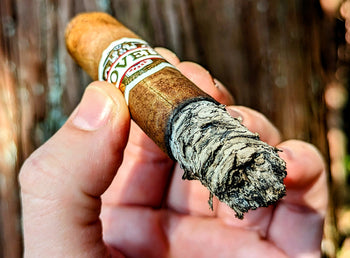
Cutting or punching a cigar cap is kind of like performing a hit on an adversary in prison. A clean execution will result in a sense of satisfaction in knowing that with experience comes perfection. However, failing to get the job done the first time, things will quickly unravel, and you will likely have a hot mess on your hands.
So, before you get to cutting or punching that stogie, take a moment to assess what you are about to slice. Having a certain amount of cigar cap understanding prior to prepping a cigar for smoking is vital, because one wrong move could ruin the whole experience...
Cigars With Kickass Caps
Artesano del Tobacco El Pulpo The Fry
Oscar Valladares Island Jim Connecticut No. 2
GPC Cachitos Connecticut
Gran Habano Corojo #5 Torpedo
CAO Flathead V554 Camshaft
Cigar Caps: Getting to Know the Basics

Cigar caps aren't just meant to cover the end of the cigar that you pop into your pie hole. They are the thin line between a smooth smoking experience and an unraveling wrapper.
When cigar rollers, or torcedores as they are commonly referred to in the tobacco biz, finish the wrapper application process, they must find a way to keep the cigar from unraveling. And thus, attention turns toward the end of the cigar that we puff on, which consists of the shoulder, head, and you guessed it... the cap.
By taking a dollop of natural pectin or vegetable gum, the torcedor affixes scraps of matching cigar wrapper leaf to the shoulder and head of the cigar, thus sealing the wrapper in place. While it is possible to allow the wrapper to surpass this point and twist it up like a fat doobie, this style of cigar cap results in what is called a "flag cap," which is a bit of a rarity.
Common Cigar Cap Styles

Given that an unfinished shoulder and head tend to be a bit unsightly and will more than likely unravel, cigar manufacturers have found multiple ways to affix a broad array of cigar caps to the premium products they produce. Many of these are dependent purely upon the cigar types, or vitolas that are being rolled, as there tends to be a certain status quo within the industry when it comes to cigar shapes and sizes.
Some of the cigar caps that are most commonly applied include:
- Flag Caps (twisted excess wrapper seals off the head of the cigar)
- Flat Caps (a traditional Cuban style that's rather blunt)
- Double Caps (commonly used style that is often rounded and affixed atop a snipped and folded flag)
- Triple Caps (a snazzy Cuban original that adds an additional layer of protection)
- Torpedo Caps (tapered for easy cutting control and smoke concentration)
- Belicoso Caps (a more rounded version of the torpedo cap)
- Pigtail Caps (a flag cap that's been bound up tight and typically glued to the head of the cigar for a tidy look)
Parting Puffs

While cigar caps tend to be constructed purely out of purpose, the aesthetics that come with these various forms of finishing touch can be downright delightful to gaze upon. Furthermore, having a yard cigar clinched between your teeth is a whole hell of a lot more manageable when it is in torpedo format, as opposed to, say, a bulbous gorbusto vitola in parejo form.
Personal preference still remains the primary factor behind a cigar smoker's selection of a specific cigar style, and the cap is a crucial component to consider. While rounded parejo, capped toro, and robusto vitolas remain the top sellers, there's something special about snagging up a different shape for a change of pace, and in the process, potentially finding a brand new level of smoking enjoyment.